
Body Cooling Foods: Healthy Choices to Stay Hydrated During Hot Weather
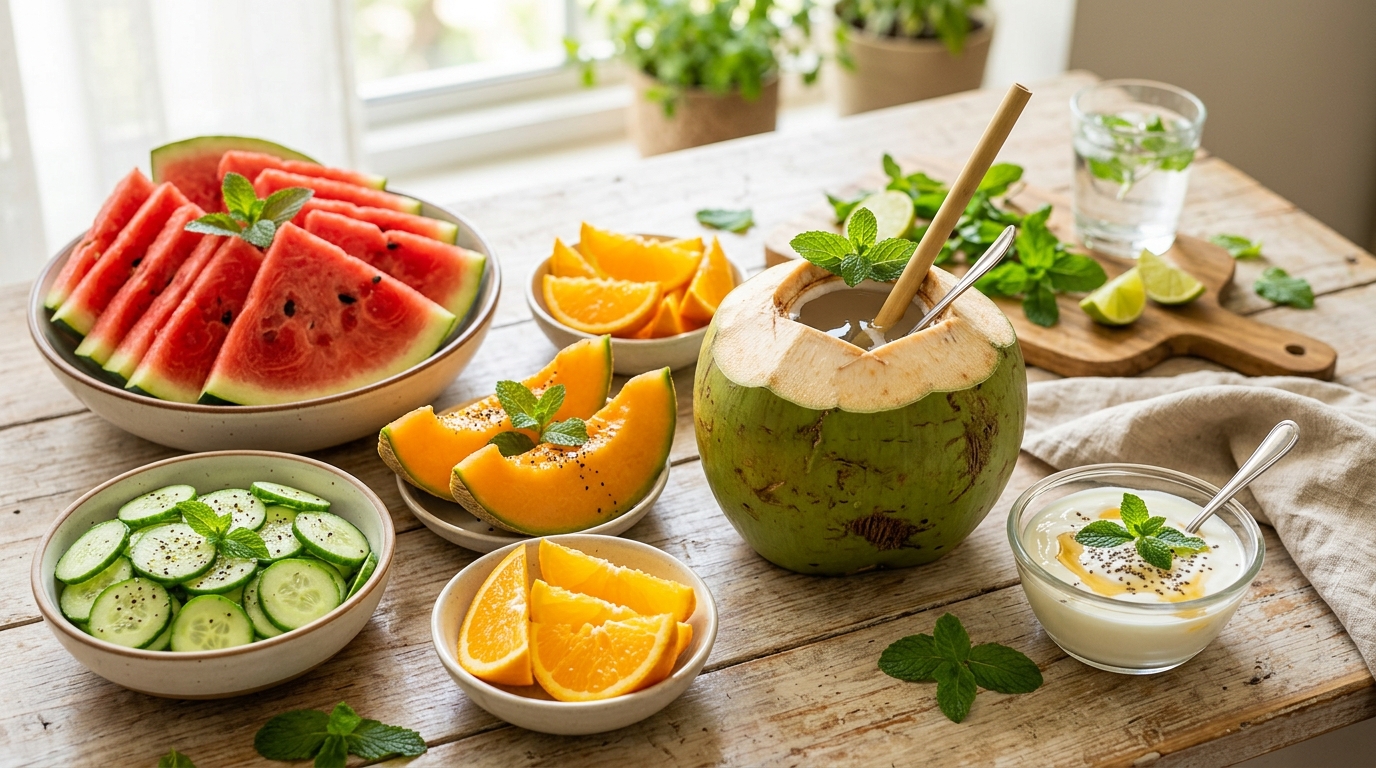
If you are looking for body cooling foods, choosing water-rich fruits, vegetables, and suitable foods can help support hydration and overall health during hot weather. At Prudence Hospitals, maintaining good health includes paying attention to everyday factors such as hydration and nutrition, particularly when higher temperatures can increase fluid loss through sweating. While foods cannot literally lower your internal body temperature, choosing hydrating foods along with adequate fluid intake can help you stay refreshed and support your body's hydration needs.
What Are Body Cooling Foods?
The term body cooling foods commonly refers to foods that are refreshing and contain a high amount of water. They can contribute to your overall fluid intake while also providing important nutrients.
However, these foods should not be considered a replacement for drinking water. A balanced diet combined with adequate hydration remains important, particularly during hot weather.
Examples of water-rich and refreshing foods include:
- Watermelon
- Cucumber
- Muskmelon
- Oranges
- Tomatoes
- Tender coconut
- Curd
- Other seasonal fruits and vegetables
Which Body Cooling Foods Can You Include?
Different foods can contribute to hydration in different ways.
Watermelon
Watermelon contains a high proportion of water and can be a refreshing choice during summer. It can be eaten as a whole fruit or included in a fruit bowl.
Cucumber
Cucumber is another water-rich food that can be added to salads or eaten as a light snack. It is an easy option to include in everyday meals.
Muskmelon
Muskmelon provides water along with naturally occurring nutrients. It can be included as a seasonal fruit when available.
Oranges
Oranges provide fluid along with nutrients and dietary fibre when consumed as a whole fruit. They can be a refreshing alternative to highly processed snacks.
Tender Coconut
Tender coconut can contribute to fluid intake and is commonly consumed during hot weather. It can form part of a broader hydration routine.
Curd
Curd can be included with suitable meals and provides nutrients including protein. It can also be used as part of refreshing meals during warmer weather.
How Can You Add Cooling Foods to Your Daily Diet?
You do not need to completely change your eating habits during summer. Simple additions can make your diet more hydrating.
Try to:
- Include seasonal fruits as a snack.
- Add cucumber and other suitable vegetables to meals.
- Include curd with appropriate meals.
- Choose water-rich fruits instead of heavily processed snacks.
- Drink water regularly throughout the day.
- Pay attention to your body's fluid needs, especially when sweating more than usual.
The objective is to maintain a balanced diet and adequate hydration, rather than depending on a single food.
Common Mistakes to Avoid
Depending Only on Cooling Foods
Eating water-rich foods is helpful, but they should complement regular water consumption and a balanced diet.
Replacing Water With Sugary Drinks
Sweetened beverages may seem refreshing but should not become your primary source of hydration.
Ignoring Signs of Dehydration
Excessive thirst, dry mouth, weakness, dizziness, and reduced urination can occur with dehydration. Significant or worsening symptoms should not be ignored.
Skipping Regular Meals
Hot weather can sometimes reduce appetite. However, regularly skipping meals can make it difficult to maintain adequate nutrition.
When Should You Seek Medical Advice?
Most people can manage everyday hydration through appropriate fluid intake and a balanced diet. However, medical attention may be necessary when symptoms become significant or continue despite efforts to maintain hydration.
Seek medical advice if you experience symptoms such as severe weakness, confusion, fainting, or difficulty maintaining adequate fluid intake.
People with existing medical conditions or specific dietary requirements should also discuss appropriate food and fluid choices with their healthcare professional.
Maintaining Healthy Summer Habits
Choosing body cooling foods is only one part of staying healthy during hot weather. Adequate fluid intake, balanced meals, and attention to symptoms are equally important.
Prudence Hospitals provides medical care through its healthcare specialties, including General Medicine, for patients who require professional medical evaluation and guidance. If heat-related symptoms or other health concerns become persistent or concerning, appropriate medical consultation should not be delayed.
Conclusion
Including body cooling foods such as watermelon, cucumber, muskmelon, oranges, tomatoes, tender coconut, and curd can be a practical part of maintaining a balanced diet during hot weather. However, these foods should complement adequate water intake rather than replace it.
Pay attention to symptoms of dehydration and seek medical attention when symptoms are severe, persistent, or concerning. For professional medical evaluation and guidance, consult the healthcare team at Prudence Hospitals.