
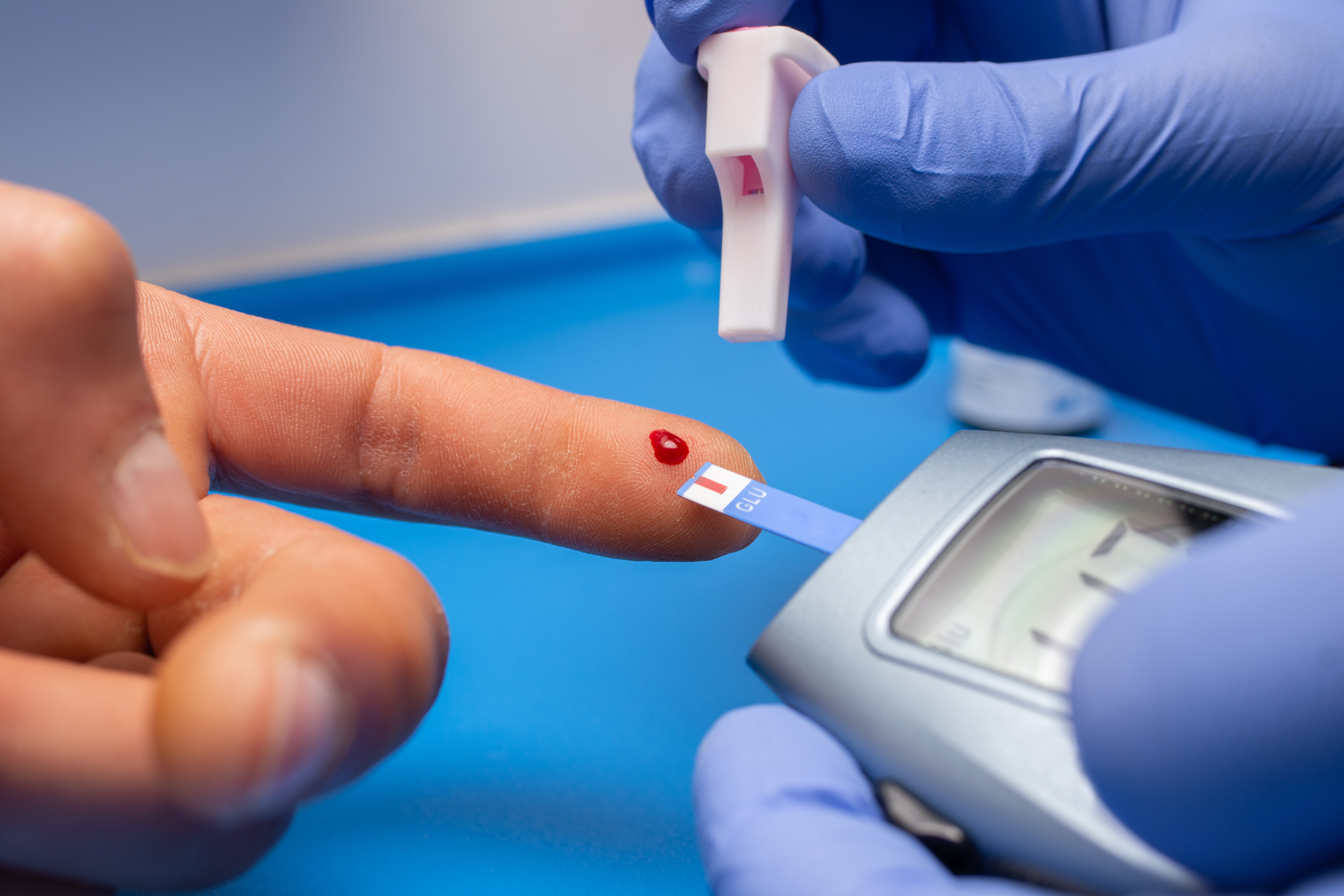
Maintaining normal blood levels is an essential part of overall health. Blood sugar levels, also known as blood glucose levels, indicate how effectively the body is processing glucose and producing energy. Monitoring normal blood levels becomes particularly important for individuals at risk of diabetes, prediabetes, or metabolic disorders. Age, lifestyle, diet, and medical conditions can influence blood sugar levels, which is why healthcare professionals often recommend regular health check-ups and diagnostic tests to ensure the body is functioning within healthy limits.
Understanding normal blood levels helps individuals identify potential health concerns early and take preventive measures. For example, consistently high blood sugar levels may indicate hyperglycemia or diabetes, while very low levels can result in hypoglycemia. Both conditions require proper monitoring and medical guidance. By staying informed about healthy blood sugar ranges and recognizing early warning signs, individuals can make better lifestyle decisions that support long-term health.
Why Monitoring Blood Sugar Levels Matters
Regular monitoring of blood sugar levels is a key component of preventive healthcare. While there is no single “perfect” number that applies to everyone, medical guidelines provide reference ranges that help determine whether a person’s blood sugar is within a healthy range.
Monitoring helps in several important ways:
- Detecting early signs of diabetes or prediabetes
- Understanding how food, exercise, and medications affect glucose levels
- Preventing complications related to uncontrolled blood sugar
- Helping doctors develop personalized treatment plans
- Supporting better long-term health management
Individuals with risk factors such as obesity, family history of diabetes, sedentary lifestyle, or hypertension are often advised to monitor their blood glucose levels regularly.
Normal Blood Levels
Understanding normal blood levels can help individuals identify whether their blood sugar levels fall within the healthy range. Blood glucose values may vary depending on age, time of testing, and overall health condition.
Typical Fasting Blood Sugar Levels
Fasting blood sugar refers to the glucose level after not eating for at least 8 hours.
| Age Group | Normal Fasting Blood Sugar |
|---|---|
| Children | 80 – 100 mg/dL |
| Adults (Non-diabetic) | 70 – 100 mg/dL |
| Seniors | Up to 110 – 120 mg/dL |
Post-Meal Blood Sugar Levels
After eating, blood sugar levels naturally increase as the body processes carbohydrates. For most healthy individuals:
- Blood sugar two hours after meals should generally be below 140 mg/dL
- Levels between 140–199 mg/dL may indicate impaired glucose tolerance
- Levels 200 mg/dL or higher may suggest diabetes and require medical evaluation
It is important to note that these values can vary slightly depending on individual health conditions and medical advice.
Blood Sugar Levels by Age
Blood sugar ranges can differ slightly across age groups due to metabolic changes, hormonal variations, and lifestyle factors.
1. Infants and Toddlers (0–3 Years)
Young children often experience fluctuations in blood sugar levels because their metabolism is still developing. Their fasting blood sugar levels typically range between 60–110 mg/dL, while random readings may vary depending on feeding patterns.
2. Children (3–12 Years)
As children grow, their blood sugar levels become more stable. Healthy fasting levels usually range between 70–140 mg/dL. Regular monitoring may be recommended for children with a family history of diabetes.
3. Teenagers (13–18 Years)
Hormonal changes during puberty can influence insulin sensitivity and glucose metabolism. Teenagers may experience temporary fluctuations in blood sugar levels, but fasting values generally remain within 70–140 mg/dL.
4. Adults (19 Years and Above)
Adults typically have more stable glucose regulation when maintaining a balanced diet and active lifestyle. Fasting blood sugar levels usually fall between 70–130 mg/dL, depending on overall health and metabolic function.
5. Seniors (60 Years and Above)
Older adults may have slightly higher acceptable blood sugar levels due to reduced insulin sensitivity and slower metabolism. For many seniors, fasting levels between 70–110 mg/dL and post-meal levels below 150 mg/dL are often considered acceptable under medical supervision.
Blood Sugar Levels Based on Time After Meals
Blood sugar levels fluctuate throughout the day depending on meals and physical activity. Monitoring these variations can help identify potential metabolic issues.
| Time After Meal | Normal Range |
|---|---|
| 0–2 Hours | 90–140 mg/dL |
| 2–4 Hours | 90–130 mg/dL |
| 4–8 Hours | 80–120 mg/dL |
Conditions Associated with Abnormal Blood Sugar Levels
When blood sugar levels move outside the healthy range, it may indicate underlying health problems.
Hyperglycemia (High Blood Sugar)
Hyperglycemia occurs when blood glucose levels become too high. If left untreated, it can lead to long-term complications affecting the heart, kidneys, nerves, and eyes.
Common symptoms include:
- Blurred vision
- Increased thirst and hunger
- Fatigue
- Frequent urination
- Fruity-smelling breath
Hypoglycemia (Low Blood Sugar)
Hypoglycemia occurs when blood sugar levels drop below 70 mg/dL. It can happen due to skipping meals, excessive medication, or certain health conditions.
Symptoms may include:
- Shaking or trembling
- Excessive sweating
- Rapid heartbeat
- Confusion
- Difficulty concentrating
Prompt treatment is important to prevent complications.
Factors That Influence Blood Sugar Levels
Several factors can affect whether a person maintains normal blood levels. These include:
- Type of diabetes (Type 1 or Type 2)
- Duration of diabetes
- Dietary habits
- Physical activity levels
- Medication or insulin therapy
- Pregnancy
- Hormonal changes
- Other medical conditions
Understanding these factors allows healthcare professionals to design individualized care plans tailored to each patient’s needs.
When Should You Check Blood Sugar Levels?
Doctors may recommend blood sugar testing in the following situations:
- Routine preventive health check-ups
- Family history of diabetes
- Symptoms such as fatigue, excessive thirst, or frequent urination
- Pregnancy screening for gestational diabetes
- Monitoring treatment for diagnosed diabetes
Regular blood tests help detect abnormalities early and allow timely medical intervention.
Awareness of normal blood sugar levels enables early detection of abnormalities and supports better long-term health management.
Maintaining Healthy Blood Sugar Levels
Maintaining healthy normal blood levels requires a combination of lifestyle management and regular health monitoring.
Key steps include:
- Following a balanced diet with controlled carbohydrate intake
- Engaging in regular physical activity
- Maintaining a healthy body weight
- Managing stress effectively
- Scheduling routine medical check-ups
- Taking prescribed medications as advised by doctors
These preventive measures can significantly reduce the risk of developing metabolic disorders.
Conclusion
Maintaining normal blood levels is essential for detecting health conditions early and supporting long-term wellness. Blood sugar levels can vary depending on age, lifestyle habits, and underlying medical conditions, which is why regular monitoring plays a crucial role in preventive healthcare.
Recognizing abnormal symptoms and undergoing timely diagnostic testing can help prevent complications related to diabetes and other metabolic disorders.
For individuals who want to monitor their health or evaluate abnormal blood sugar symptoms, hospitals with proper diagnostic facilities and experienced medical professionals can provide accurate testing and medical guidance. Prudence Hospitals, Nizamabad, offers comprehensive diagnostic services, laboratory investigations, and expert medical consultations that help patients assess their normal blood levels and receive appropriate treatment.