
Essential Rainy Season Precautions for Kids to Stay Healthy During Monsoon
Following proper Rainy season precautions for kids is important to protect children from common monsoon illnesses such as colds, flu, stomach infections, dengue, and viral fever. At Prudence Hospitals, our pediatric specialists emphasize preventive care, timely medical attention, and healthy habits to help children enjoy the rainy season safely. Simple precautions can significantly reduce the risk of infections and keep your child active and healthy.
Why Are Children More Vulnerable During the Rainy Season?
During monsoon, increased humidity and water stagnation create favorable conditions for bacteria, viruses, and mosquitoes. Since children's immune systems are still developing, they are more likely to develop infections.
Common rainy season illnesses in children include:
- Common cold
- Viral fever
- Dengue fever
- Typhoid
- Diarrhea
- Food poisoning
- Skin infections
- Allergies
Understanding Rainy Season Precautions for Kids
Preventive care is the best way to protect children from seasonal diseases. Parents can help strengthen their child's immunity and reduce exposure to infections by following some simple measures.
Maintain Good Hand Hygiene
Teaching children proper handwashing habits is one of the most effective ways to prevent infections.
Encourage handwashing:
- Before meals
- After using the washroom
- After playing outdoors
- After coughing or sneezing
Using soap and clean water helps remove harmful germs and lowers the risk of illness.
Provide Fresh and Nutritious Foods
Healthy eating helps boost immunity and supports overall growth.
Include:
- Seasonal fruits
- Green leafy vegetables
- Whole grains
- Eggs and lean proteins
- Freshly prepared meals
Avoid:
- Street food
- Stale food
- Uncovered snacks
- Excess sugary drinks
Fresh food reduces the risk of stomach infections and food poisoning.
Keep Children Properly Hydrated
Although children may not feel thirsty during monsoon, adequate hydration remains essential.
Encourage them to drink:
- Boiled and cooled water
- Fresh soups
- Coconut water
- Homemade fruit juices
Avoid contaminated water, as it can lead to diarrhea and other gastrointestinal infections.
Prevent Waterborne and Foodborne Infections
Monsoon increases the risk of stomach infections caused by contaminated food and water.
To protect children:
- Serve freshly cooked meals whenever possible.
- Wash fruits and vegetables thoroughly before consumption.
- Ensure drinking water is boiled or properly purified.
- Avoid raw or unhygienic street foods during the rainy season.
- Store cooked food properly to prevent bacterial contamination.
These precautions can help reduce the chances of diarrhea, typhoid, and food poisoning in children.
Protect Against Mosquito-Borne Diseases
Monsoon increases the breeding of mosquitoes that spread dengue and malaria.
Prevent mosquito bites by:
- Using mosquito nets
- Applying child-safe repellents
- Avoiding stagnant water around the house
- Keeping windows covered with mesh screens
Early prevention plays a vital role in reducing mosquito-borne diseases.
Ensure Adequate Sleep and Physical Activity
Good sleep strengthens immunity and helps children recover quickly from minor illnesses.
Children should:
- Sleep according to their age requirements
- Stay physically active indoors when outdoor play is limited
- Limit excessive screen time
Healthy routines contribute to overall well-being.
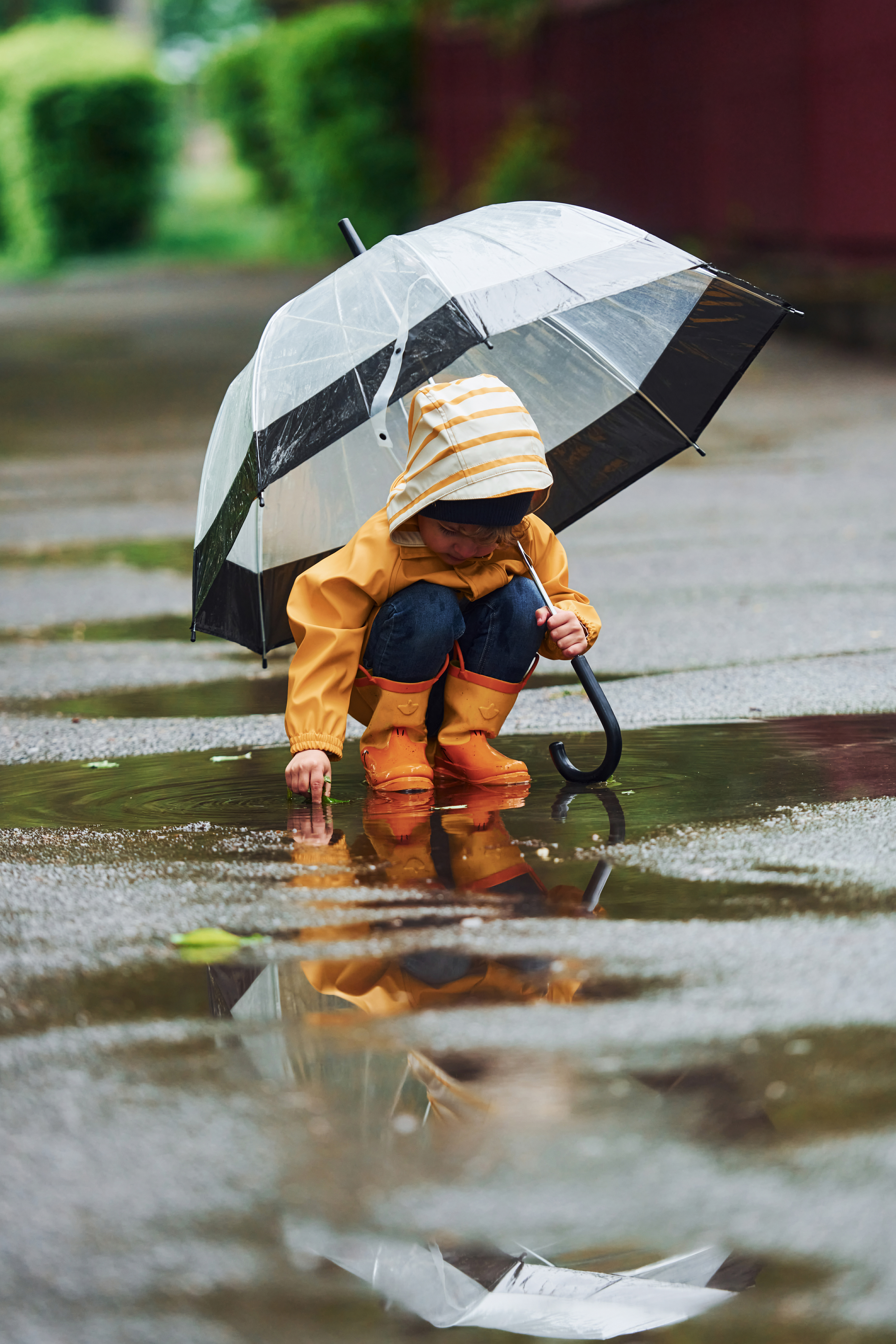
Teach Children to Avoid Playing in Dirty Water
Rainwater puddles and stagnant water may contain harmful bacteria and parasites.
Parents should encourage children to:
- Avoid waterlogged areas
- Wear footwear while playing outdoors
- Wash feet thoroughly after returning home
These habits help prevent skin infections and stomach-related illnesses.
Warning Signs That Need Medical Attention
Consult a pediatric specialist if your child experiences:
- Persistent fever
- Vomiting
- Diarrhea
- Difficulty breathing
- Severe cough
- Unusual tiredness
- Reduced appetite
- Skin rashes
Early diagnosis and treatment help prevent complications.
Common Monsoon Diseases in Children
| Illness | Common Symptoms |
|---|---|
| Viral Fever | Fever, body pain, weakness |
| Dengue | High fever, headache, rashes |
| Common Cold | Sneezing, cough, congestion |
| Diarrhea | Loose stools, dehydration |
| Typhoid | Persistent fever, weakness |
| Skin Infections | Itching, redness, rashes |
Expert Tips for Parents
Do
- ✔ Serve freshly cooked food.
- ✔ Keep drinking water clean.
- ✔ Encourage regular handwashing.
- ✔ Maintain a clean environment.
- ✔ Seek medical advice when symptoms persist.
Don't
- ✘ Allow children to eat uncovered street food.
- ✘ Ignore fever lasting more than two days.
- ✘ Let children stay in wet clothes.
- ✘ Permit playing in stagnant water.
Conclusion
Following proper Rainy season precautions for kids can help prevent many common monsoon illnesses and keep children healthy throughout the season. Maintaining hygiene, providing nutritious food, ensuring hydration, and seeking timely medical care are essential for protecting children from infections. At Prudence Hospitals, our pediatric specialists are committed to providing comprehensive care and guidance to help your child stay safe and healthy during the rainy season.
Book a consultation with Prudence Hospitals for expert pediatric care and timely treatment for seasonal illnesses.