
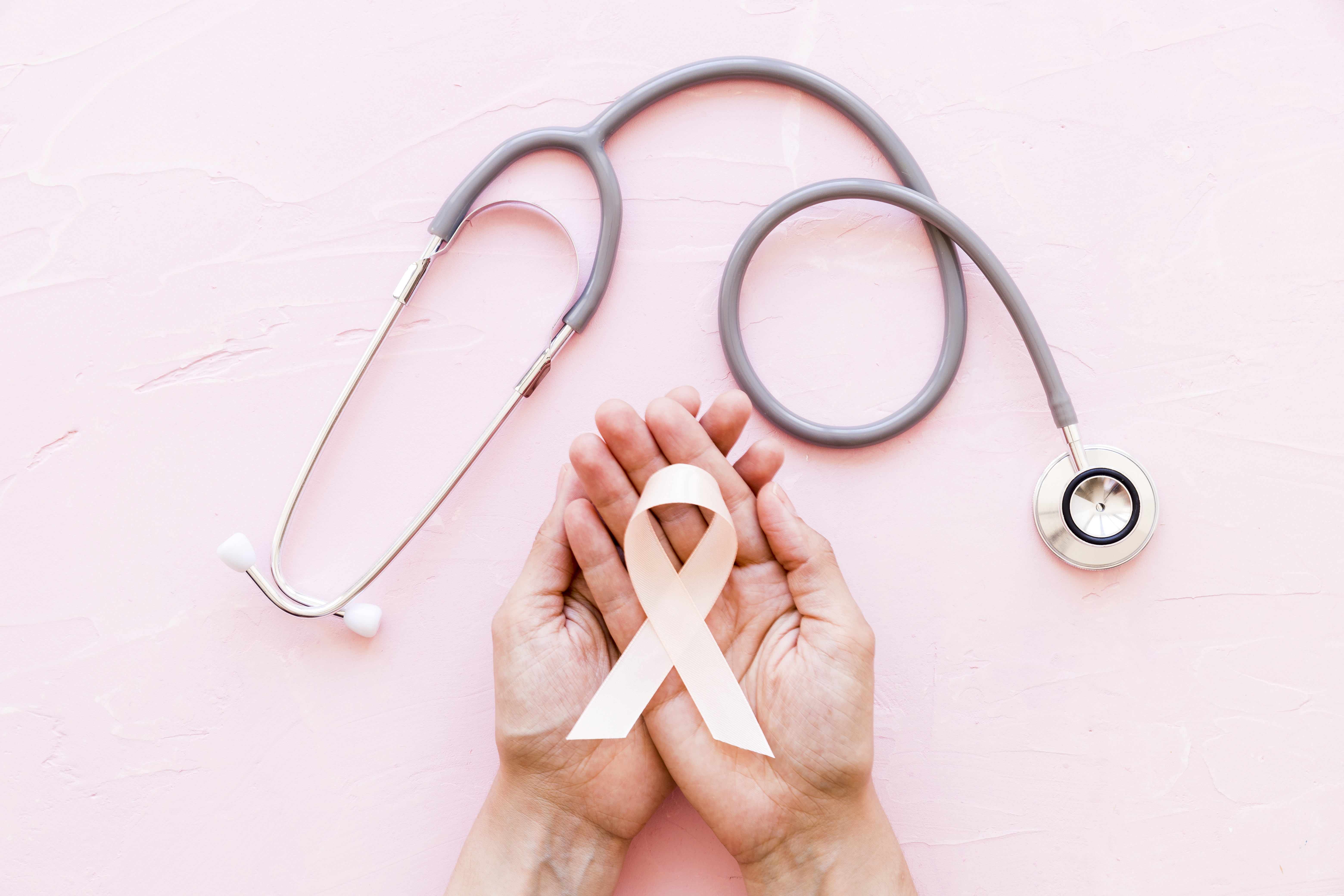
Know the Types of Cancers for Better Awareness and Early Care
Understanding the Types of Cancers is important for early diagnosis and timely treatment. At Prudence Hospitals, patients have access to expert consultations, advanced diagnostics, and comprehensive cancer care to help detect and manage various types of cancers effectively. Since cancer can affect different organs and tissues, recognizing the common types and their warning signs can improve treatment outcomes and quality of life.
What is Cancer?
Cancer is a condition in which abnormal cells grow uncontrollably and may spread to other parts of the body. There are more than 100 types of cancers, and each type behaves differently depending on where it begins.
Early detection and appropriate treatment play a crucial role in successful cancer management.
Common Types of Cancers
Breast Cancer
Breast cancer is one of the most common cancers among women. Symptoms may include:
- Lump in the breast
- Changes in breast shape
- Nipple discharge
- Skin changes around the breast
Early screening can help detect breast cancer at a treatable stage.
Lung Cancer
Lung cancer commonly affects smokers, although non-smokers can also develop it.
Common symptoms include:
- Persistent cough
- Chest pain
- Shortness of breath
- Coughing up blood
- Unexplained weight loss
Colorectal Cancer
Colorectal cancer affects the colon or rectum.
Symptoms may include:
- Changes in bowel habits
- Blood in stool
- Abdominal discomfort
- Weakness and fatigue
Regular screening helps in early detection.
Prostate Cancer
Prostate cancer is commonly seen in older men.
Symptoms include:
- Frequent urination
- Difficulty passing urine
- Blood in urine
- Pelvic discomfort
Cervical Cancer
Cervical cancer affects the cervix and can often be prevented with regular screening.
Common warning signs include:
- Abnormal vaginal bleeding
- Pelvic pain
- Pain during intercourse
- Unusual vaginal discharge
Blood Cancer
Blood cancers include leukemia, lymphoma, and multiple myeloma.
Symptoms may include:
- Frequent infections
- Fatigue
- Fever
- Easy bruising
- Swollen lymph nodes
What Increases the Risk of Cancer?
Several factors may increase cancer risk:
- Tobacco use
- Alcohol consumption
- Family history
- Obesity
- Unhealthy diet
- Lack of physical activity
- Radiation exposure
- Increasing age
Making healthy lifestyle choices can help lower the risk of developing certain cancers.
Importance of Early Detection
Early diagnosis offers several advantages:
- Better treatment outcomes
- Improved survival rates
- More treatment options
- Faster recovery
- Better quality of life
Regular health checkups and cancer screening can help identify cancer before symptoms become severe.
How Are Different Types of Cancers Treated?
Treatment depends on the type and stage of cancer. Common treatment methods include:
- Surgery
- Chemotherapy
- Radiation therapy
- Targeted therapy
- Immunotherapy
- Supportive and palliative care
Specialists usually create individualized treatment plans based on the patient's condition.
Tips to Reduce Cancer Risk
- Avoid tobacco products
- Maintain a healthy weight
- Exercise regularly
- Eat a balanced diet
- Limit alcohol intake
- Protect yourself from excessive sun exposure
- Attend regular health screenings
Conclusion
Understanding the Types of Cancers can help people recognize symptoms early and seek timely medical attention. Early diagnosis and appropriate treatment significantly improve outcomes. Prudence Hospitals offers advanced diagnostic services, specialist consultations, and comprehensive cancer care to support patients through every stage of their treatment journey. If you notice any unusual symptoms or have concerns about cancer risk, consult the experts at Prudence Hospitals for timely evaluation and personalized care.